
* THESE NOTES ARE CURRENTLY UNDER DEVELOPMENT AND ARE NOT 100% ACCURATE *
All images, text, JavaScript and HTML Code ©1995- by llamamusic.com
This web browser utility reads D‑10 Bulk Dump *.SYX files from a computer, tablet or smartphone and displays all Patch & Tone names. It was designed to create Patch and Tone listings from all of my Roland and third‑party PCM cards (PN‑D10‑03, Valhala, Best Choice, Voice Crystal, etc...) and various D‑10 SysEx files downloaded from the Internet. The method used is to LOAD ALL from a PCM card or RAM Memory Card into Internal Memory and then perform a BULK DUMP (Dump One Way ‑ All) on the D‑10 to create a valid SysEx file. Likewise, you can also load D‑5/10/20/110 SysEx files into the D‑10, perform a BULK DUMP and save SysEx files which can then be read by this utility. This utility will not work with any SysEx files previously created on a D‑5, D‑10, D‑20 or D‑110 synth (unless it was saved on a D‑10 using BULK DUMP (Dump One Way ‑ All)
Version 1.0(a) - 12/31/2023
     • Initial Release
Version 1.1 - 02/22/2024
     • Fixed a bug which was not displaying "Less Than" and "Greater Than" characters for Patch and Tone Names ("<" and ">")
Notes About D‑10 SysEx Bulk Dump Files & Synth Structure
- As you have probably noticed, there are several D‑10 SysEx files to be found on the Internet. Not all of these files will load correctly into the D‑10. Likewise, not all of these files will work with this utility. This utility is designed to work only with D‑10 SysEx files created using the BULK DUMP (Dump One Way ‑ All) method. This utility is able to tell the difference between SysEx file structures when you load them. The size of a Dump One Way ‑ All file is ~44KB
- There are a few D‑10 Patch banks in a *.ZIP file at this link which you can use to test the program, all saved as BULK DUMP (Dump One Way ‑ All)
 D-10_Reader_SysEx_Test_Files.zip
- SysEx files created on a D‑110 will load on a D‑10 but only 128 Tones will be loaded. No Patch info will be transferred. This is because D‑10 Performance Patches, Rhythm Patterns and Rhythm Tracks are not compatible with the D‑110. Keep this in mind when working with D‑110 files on a D‑10 because the Patch columns will have generic or blank enteries

- When using this utility on a Mac system, to speed up the load process, open a Finder window and search for all *.SYX files. Drag one file at a time from the Finder window directly onto the "Choose File (Safari/Chrome)" or "Browse (FireFox)" button in this browser utility. The file will then be read automatically without having to drill down and search through several directories (click for larger image)
D-10 Architecture
P A T C H E S
There are a total of 128 user editable Patches on the D‑10. The settings you can change in Patches are:
Patch Name - Reverb - Assign Mode - Panning - Tone Select - Tuning - Split Point - Bender Range & more
When you load a SysEx file, these 128 user Patches are overwritten with whatever data is contained in the SysEx file
T I M B R E S
There are a total of 128 preset Timbres on the D‑10. The settings you can change in Timbres are:
Tone Select - Fine Tuning - Reverb Switch - Assign Mode - Bender Range - Key Shift
When you load a SysEx file, these 128 Timbre settings are overwritten with whatever data is contained in the SysEx file
T O N E S (User Editable)
There are a total of 64 user editable Tones on the D‑10. The parameters you can change in Tones are:
Common Parameters (Envelopes, LFO's, Frequency, etc...) - PCM Waveform - Structure - Tone Name & more
When you load a SysEx file, these 64 user Tones are overwritten with whatever data is contained in the SysEx file
T O N E S (Preset Internal)
There are a total of 128 preset internal Tones on the D‑10. These are hard coded on IC12 and cannot be edited (ROM)
When you load a SysEx file, these 128 preset internal Tones are unaffected
M E N U D I V I N G
While scrolling through the menus on the LCD, you will notice different prefixes in front of the various sound names
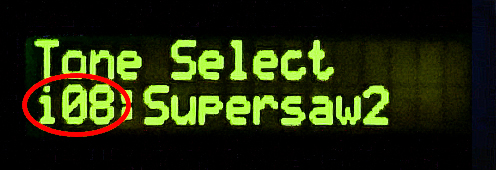
       i08 = User Editable Tone #08     (RAM) / Bank i  (Bank i Tones can be edited and/or overwritten by a SysEx file)
     I-A36 = User Editable Patch #36    (RAM) / Bank A  (Bank A Patches can be edited and/or overwritten by a SysEx file)
     I-B84 = User Editable Patch #84    (RAM) / Bank B  (Bank B Patches can be edited and/or overwritten by a SysEx file)
       a46 = Preset Internal Tone #46   (ROM) / Bank a  (Bank a Tones can not be edited and/or overwritten by a SysEx file)
       b17 = Preset Internal Tone #17   (ROM) / Bank b  (Bank b Tones can not be edited and/or overwritten by a SysEx file)
       r59 = Preset Internal Rhythm #59 (ROM) / Bank r  (Bank r Rhythms can not be edited and/or overwritten by a SysEx file)
Questions & Answers
Black Sabbath Dehumanizer Demos
The Dehumanizer Demos serve as a testament to the chemistry of the Dio-era lineup. When they were "on," they were a freight train. The demos prove that the songs were strong enough to stand
Dehumanizer Demos (1991–1992) offer a fascinating "what-if" look at Black Sabbath’s heaviest era. While the final album features Vinny Appice
on drums, the vast majority of existing demos and rehearsals feature Cozy Powell . These sessions were primarily held at Rich Bitch Studios in Birmingham and Monnow Valley Studios Key Lineup & Transition The demo sessions began with the reunion of the Heaven and Hell era lineup, but with a twist: Ronnie James Dio Tony Iommi Geezer Butler Cozy Powell (Initial sessions/Demos) Vinny Appice (Final album and later rehearsals) Cozy Powell
was forced out of the project after a freak accident where his horse collapsed on him, breaking his pelvis . This led to the return of Vinny Appice to complete the recording and tour Notable Unreleased & Rare Tracks
Several songs from these sessions were either completely unreleased or significantly altered for later projects: Black Sabbath – The Dehumanizer Demos - Discogs
You can use this for a YouTube video script, a blog post, a Reddit thread, or social media carousel.
The writing process for Dehumanizer was notably collaborative compared to other Sabbath eras. Geezer Butler has stated that the band jammed extensively, with Dio writing melodies and lyrics on the spot.
This song has a convoluted history. Black Sabbath recorded "Time Machine" for the Wayne’s World soundtrack in 1992. That version is faster, glossier, and has a shouted chorus. The Dehumanizer album version is slower and heavier. The demo reveals the transition.
The Dehumanizer demo of "Time Machine" is essentially the Wayne’s World version with Sabbath’s darker production. It lacks the final album’s ominous sustained chords in the verse. Instead, it chugs. Ozzy’s vocal melody is completely different in the pre-chorus. This demo proves the band was experimenting with making the song more commercial (for the film) before Iommi insisted on slowing it down to "make it hurt."
The Dehumanizer sessions were a painful, beautiful mess. The lineup imploded again shortly after the album’s release (Dio quit mid-tour, leading to the infamous reunion with Ozzy Osbourne). But the music they left behind—especially the raw demos—stands as a testament to creative friction.
For the obsessive fan, the Dehumanizer demos are not bonus tracks; they are the primary text. They reveal a band at war with each other and the world, channeling that conflict into music of extraordinary heaviness. To listen to the demo of “Computer God” or the lost arrangement of “Letters from Earth” is to hear Black Sabbath not as a legacy act, but as a living, bleeding organism—a dehumanized machine that, for a few fleeting months in 1991, roared with more life than anything on the radio.
In the end, the Dehumanizer demos are the sound of doom being built from the ground up. And they remain, thirty years later, one of heavy metal’s greatest and most under-explored treasures. black sabbath dehumanizer demos
The Dehumanizer demos tell the story of a high-stakes, turbulent reunion where Black Sabbath fought to reclaim their legendary status in a rapidly changing 1990s metal landscape. The Secret Sessions with Tony Martin
Before the reunion with Ronnie James Dio was finalized, the band was still technically fronted by Tony Martin . In a strange twist of rock history,
actually recorded demo vocals for the songs that would become Dehumanizer. The Firing:
was famously fired while walking out his front door to go to rehearsals; his manager called and told him his services were no longer required.
The "Safety Net": When initial sessions with Dio became tense due to "egos bouncing around," Tony Iommi actually called back to see if he would rejoin.
recorded vocals on several tracks but eventually told the band to finish what they started with Dio. Cozy Powell’s Freak Accident
The demos also capture a "what if" moment regarding the band's lineup. The original plan for the reunion was the Headless Cross era drummer Cozy Powell joining Iommi, Geezer Butler, and Dio. The Injury:
recorded initial rehearsal and demo tracks at Rich Bitch Studios in Birmingham, but his participation ended when his horse suffered a heart attack and collapsed on him, breaking his hip. The Replacement: This freak accident led to the return of Vinny Appice
, officially reuniting the classic Mob Rules lineup for the final album. Scrapping the "Jolly" Sound
The demo period was defined by a conscious effort to move away from the polished, melodic hard rock of the late 80s.
Uncovering the Lost Sounds of Doom: Black Sabbath's Dehumanizer Demos The Dehumanizer Demos serve as a testament to
In 1992, Black Sabbath, the pioneers of heavy metal, embarked on a creative resurgence with their 18th studio album, Dehumanizer. The album would go on to become a cult classic, boasting some of the band's most aggressive and experimental work in years. However, the story of Dehumanizer isn't just about the finished product; it's also about the demos that never saw the light of day – raw, unbridled sessions that captured the band's ferocity and creative chaos.
The Making of Dehumanizer
Recorded at Monnow Valley Studio in Wales, the Dehumanizer sessions were marked by intense rehearsals and improvisation. The band, consisting of Tony Iommi (guitar), Geezer Butler (bass), Tony Martin (vocals), and Cozy Powell (drums), aimed to recapture the raw energy of their early days. These sessions yielded some of the most aggressive and experimental material in Black Sabbath's discography.
The Demos: A Glimpse into the Creative Process
Recently unearthed, the Dehumanizer demos offer a fascinating glimpse into Black Sabbath's creative process. These unpolished, rough-around-the-edges tracks showcase the band's spontaneity and willingness to push boundaries. Tracks like "In for the Kill" and "Bad Blood" demonstrate the band's ability to craft infectious, hard-hitting riffs, while "No Stranger to Love" and "Get a Grip" reveal a more experimental side, with eerie atmospheres and dissonant harmonies.
Demo Highlights
The Significance of the Demos
The Dehumanizer demos hold significant value for fans and collectors. Not only do they provide insight into Black Sabbath's creative process, but they also highlight the band's willingness to experiment and take risks. These demos serve as a reminder that even in their later years, Black Sabbath remained a force to be reckoned with, pushing the boundaries of heavy music.
Conclusion
The Dehumanizer demos are a testament to Black Sabbath's enduring legacy and their continued influence on heavy music. These raw, unbridled sessions offer a unique glimpse into the band's creative process, showcasing their ability to craft infectious, hard-hitting riffs and experimental soundscapes. For fans of Black Sabbath and heavy metal, these demos are a must-listen, providing a fascinating look into the development of one of the band's most beloved albums.
Recommended Listening
For those interested in exploring the Dehumanizer demos, we recommend seeking out the official bootlegs or demo compilations available online. Additionally, fans can revisit the finished Dehumanizer album, which remains a staple of Black Sabbath's discography.
Sources
Related Articles
The story of the Dehumanizer demos is a fascinating look into a turbulent reunion of the iconic Mob Rules lineup. Recorded in late 1991, these sessions are particularly notable for featuring legendary drummer Cozy Powell before an injury forced his departure and the return of Vinny Appice. The Context: A Tense Reunion
Following the commercial struggle of the Tyr album, guitarist Tony Iommi and bassist Geezer Butler reconnected, eventually bringing back vocalist Ronnie James Dio. The band initially entered the studio with Cozy Powell on drums. However, the sessions were famously fraught with tension; Dio reportedly found the writing process difficult, and the creative friction resulted in a much darker, heavier sound than their previous collaborations. Rare Material and Tracklists
While never officially released in their entirety, various bootlegs (such as Dehumanizer Demos - Bad Blood) have circulated among collectors. These recordings offer a raw, stripped-back look at the songs before the polished production of the final album. Key tracks found on these demos often include:
Computer God: Early takes showing the evolution of the album's opening powerhouse.
Letters From Earth: Multiple takes that reveal the developing vocal melodies and riffs.
Master of Insanity: Raw versions of the track originally written for Geezer Butler's solo project.
Bad Blood: Often cited as a centerpiece of these sessions, featuring Powell’s signature heavy-hitting style.
Unknown Jams: Fragmentary recordings, such as the aborted "Apache" jam, which highlights the informal nature of these early rehearsals. The Shift from Powell to Appice The Significance of the Demos The Dehumanizer demos
A turning point for the album occurred when Cozy Powell suffered a horse-riding accident, injuring his pelvis. With Powell unable to play, the band reached out to Vinny Appice, completing the classic Mob Rules lineup. Consequently, the demos featuring Powell remain the only record of what that specific "supergroup" iteration might have sounded like on a full studio effort.
For fans, these demos are more than just curiosities; they capture a legendary band at a crossroads, grinding through creative differences to produce one of the heaviest albums in the Black Sabbath catalog.
| If you find some of this DIY info useful, please consider donating a small amount. All donations are used for future DIY sampler development. Thanks! | 
|
 Back To The D-10 Patch & Tone Reader Utility